Like most people who were once a boy, I had a phase during which I was completely obsessed with awesome creations of mythical power.
 4 Golden Paths
I definitely hit bingo on this, and at one point in my life my daily routine was solely rotating procedurally through reading about dinosaurs and spaceships and trucks and construction equipment, curating pictures and my favorite facts. But of the four idols, I was primarily a connoisseur of construction equipment. I got my hands on the Richard Scarry books at a young age and wore the pages out (his finest work is known as Busy Busy Construction Site). I was infatuated with the orderliness of the equipment, how every machine seemed to have a specific form and function, accentuated by a dramatic claw or imposing silhouette. The books came to life all around me, too. It was a childhood treat to walk down to a (less busy) construction site in a nearby neighborhood and pick mud off the tracks of a bulldozer or excavator that was parked idly on weekends. I took it personally upon myself to be an operator as well and I wore the wheels off my hot wheels and built projects with Tonka trucks in my sandbox that would make Henry Kaiser jealous.
It was never a phase, and I never grew out of it. I still gawk at these machines and insist on every opportunity to take a photo with one, especially those of rare flavor. A lifelong dream is to drive an excavator around in a construction project and dig a large hole. I also very badly want to go to a construction equipment roadshow, like CONEXPO or CICEE in China. They are truly larger than life spectacles of technology.
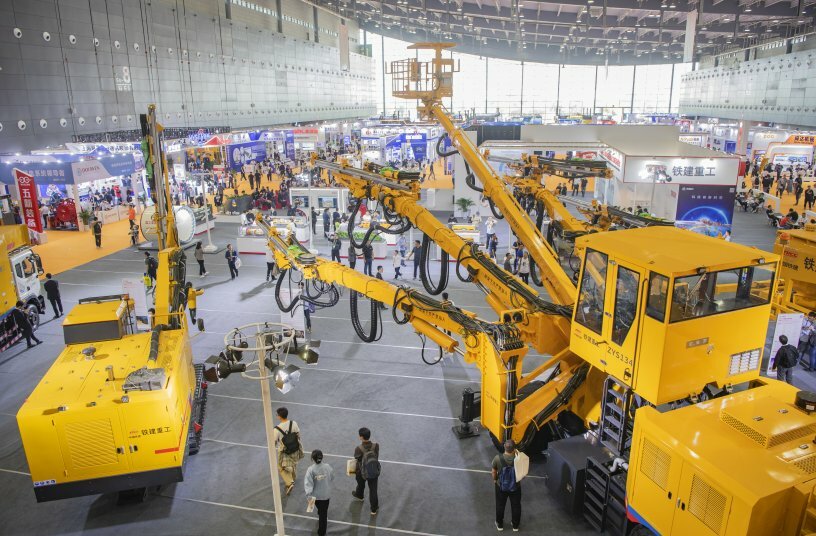
CICEE is a Playground. 4 arms on one machine??
I am by no means an expert in construction equipment (in fact, of the four categories, I made spaceship my profession), but I do still have strong opinions. My backhoe and street sweeper hotwheels have been passed on to younger, eager hands, but their spirit lives on in me. The construction machinery holds my emotions in a claw grip of industrial strength, so I want to set the record straight on which of these machines reign supreme.
Before getting into the list, a quick primer is in order. I consider construction machinery to be any piece of heavy equipment that is operated to further the purpose of building or maintaining, which, admittedly, is a pretty broad category. I fully acknowledge this might allow my ranking here to be subject to high scrutiny, but I stand by it. I know my stuff. Another heuristic for construction equipment is if it comes in a version that is painted Pantone 129C (Caterpillar) yellow.
Speaking of yellow, one further note on the branding of construction machinery. When I was first introduced to this world around the age of 3, I thought there was a single company (CAT) that was in charge of making all of the construction equipment and that there was a specific, singular purpose for every type of machine. It was much to my surprise to find out over the following decade that there was in fact a complex global market of manufacturers (albeit somewhat consolidated and not incredibly differentiated) that make a dizzying suite of machines for a myriad of purposes—excavation, grading, compaction, paving, material handling, demolition, and tunneling, to name a few.
While CAT and Komatsu have dominated the scene since the mid-20th century, Chinese manufacturers like Sany, XCMG, SLDG, and Zoomlion have emerged as serious competitors in the last two decades. CAT introduced the iconic D9 bulldozer in 1954, which became the gold standard for tracked dozers. Today, Sany's SD90-C5 matches the D9T's 410 horsepower while undercutting it on price by 30-40%. XCMG's XE4000E hydraulic excavator directly challenges CAT's 374F in the 400-ton class, and Sany's 98-meter concrete pump truck (the longest in the world) was famously deployed at Fukushima in 2011. That was hardly China's construction debut, but it was significant.
John Deere and Case IH dominate the market for production of machinery that specializes in turning oil into edible crops. There's a whole world of mining that includes some quite bizarre and esoteric equipment that doesn't get enough appreciation in popular culture, manufactured by specialized companies like Komatsu Mining Corp, Liebherr, and Bucyrus (which is now…also CAT). In fact, much of the equipment most 4-year-olds would consider of the construction variety is produced for mining. Conservatively, 30 billion metric tons of earth is moved annually for mining operations alone; that's roughly 4 tons per person on Earth, every single year. Open pit sites like Bingham Canyon (Utah) will move half a million tons per day and have moved billions of tons of rock and ore over their lifetime.
Sidenote on specialization - I am not including farming equipment and machinery here. I don't consider crops to be infrastructure of the building variety and I also consider farming machinery fantastic enough to deserve its own list. I also think some of the more bizarre machinery deserves its own list.
Let's get into the official list.
7. Crane
Of the mobile variety. There are a ton of different types of these cranes, but I'm specifically referring to the truck-mounted telescopic cranes. Any crane is a fantastic asset to any construction site and truly a sight to behold. The mobile crane is really quite an engineering marvel—the counterweight systems alone can exceed 100 tons, and the precision required to prevent load oscillation at full extension is nuts.
The first truck-mounted crane appeared in 1949 from German manufacturer Böcker, but it was Manitowoc's 1960s boom trucks that popularized the concept in America. They were a natural progression of the cranes that built the Hoover Dam. The Liebherr LTM 11200-9.1 (introduced in 2007) remains the king of mobile cranes, capable of lifting 1,200 metric tons with a 100-meter telescopic boom. XCMG's XCA1600, released in 2016, claimed the title of world's largest all-terrain crane with a 1,600-ton capacity, directly challenging European dominance.
I was always a huge fan of the Lego set.
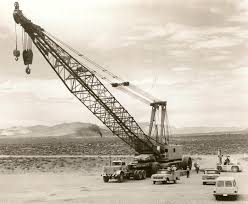
Vintage Manitowoc crane
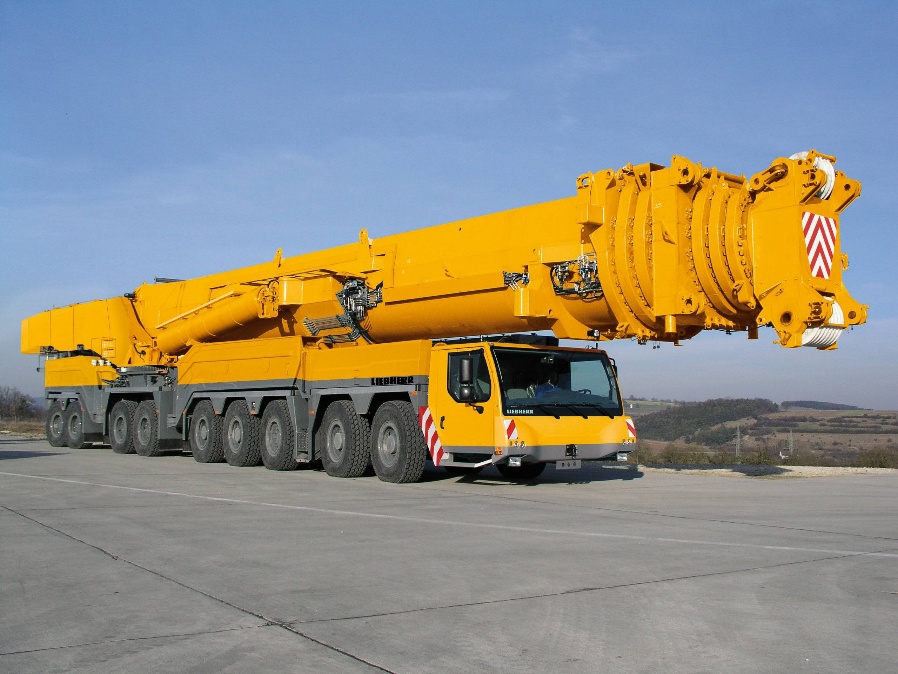
LTM 11200-9.1
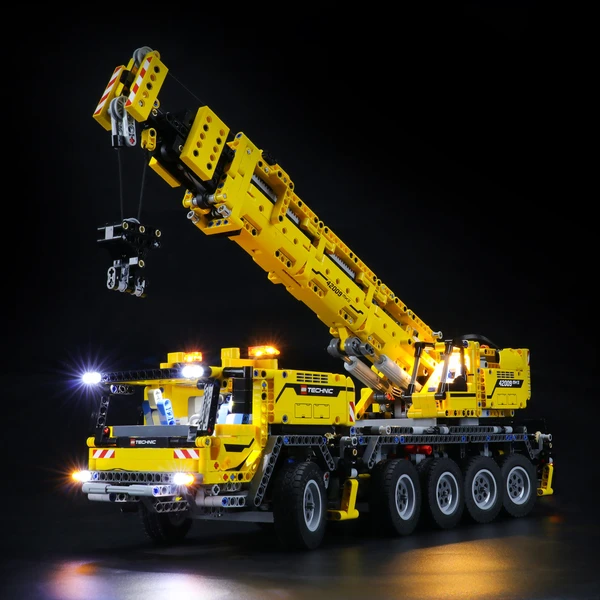
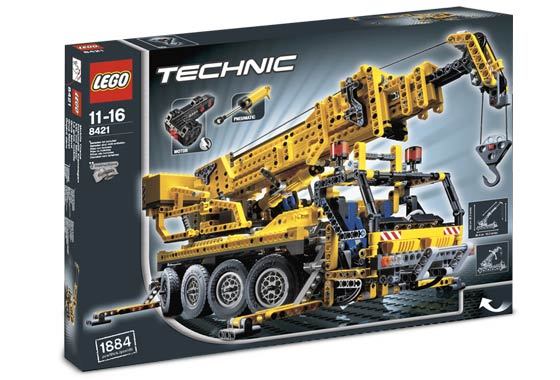
Crane legosets, wow, very nice
6. Chainsaw
An extremely useful and fabulously flexible device. You can hold it in your hands, or wield it from within a giant metal suit. Comes in a variety of sizes.
These were invented back in 1830 for bone surgery, but didn't get popular until the 1920's. Interestingly, the electric chainsaw came first, quickly followed by gas. They used to take two people to operate, but since Stihl invented models like the MS 170/180 (which has sold 100+ million models) it's a one-man show. In my opinion, this is one of those tools where we might be near the final form, joining the ranks of the paper clip and the nail.
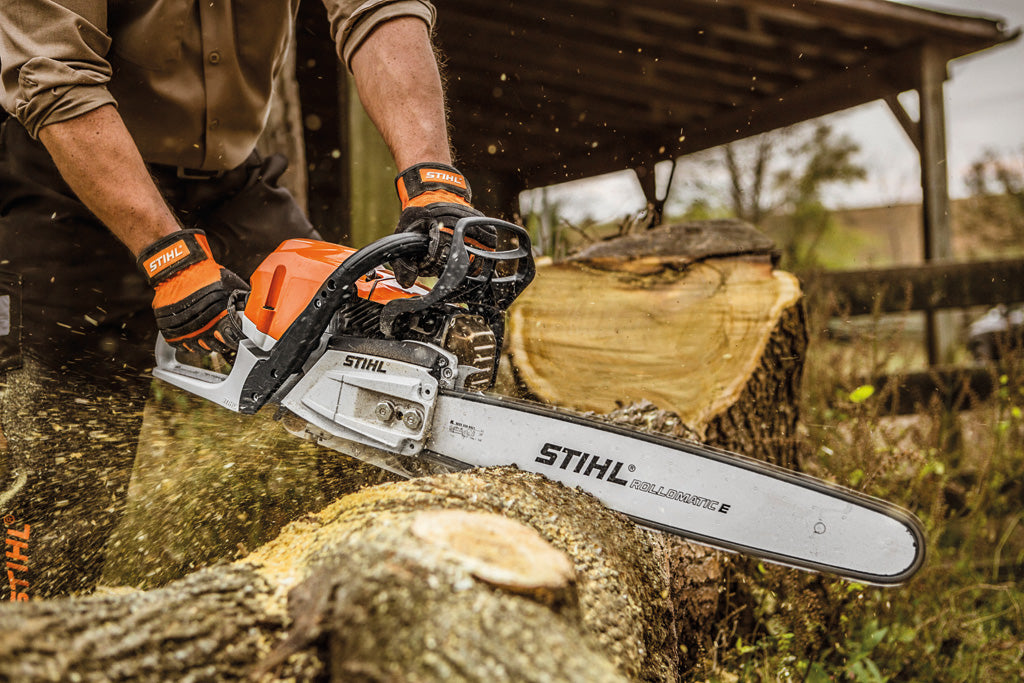
Stihl is still king
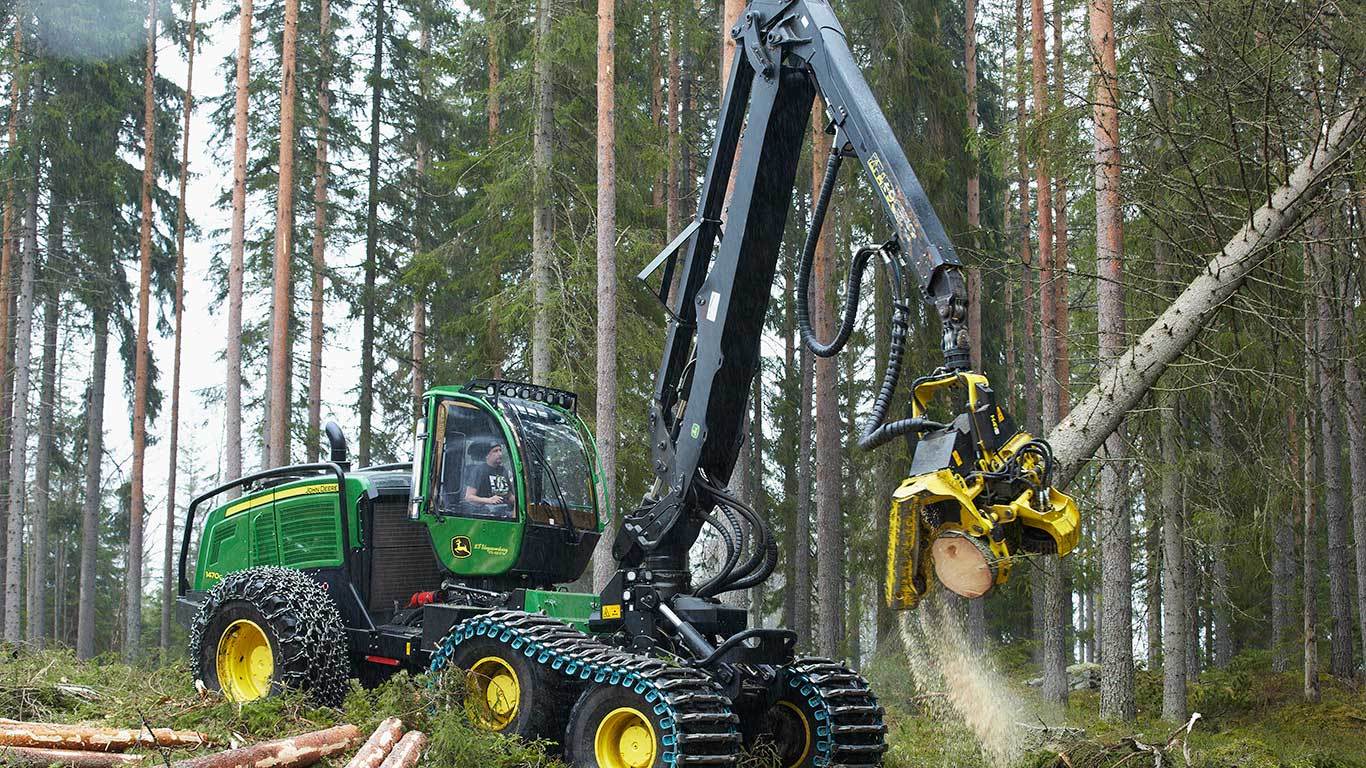
Forestry Harvester, or metal suit with a chainsaw.
5. Bulldozer (specifically, the variety with a ripper on the back like the CAT D9T)
One of the most powerful and intimidating pieces of drive-able machinery ever created. They can help build your house or help you destroy your enemies. They look way cooler with the ripper in the back.
The CAT D11T is the current flagship—850 horsepower, 112 tons operating weight, capable of pushing 57 cubic yards of earth in a single pass. Its predecessor, the D11N (1986), was the first to break near the 800-HP barrier. But it all started with Benjamin Holt's 1904 steam-powered tracked tractor (never mind what they first used it for), which evolved into the CAT Sixty in 1925, the machine that essentially invented the modern bulldozer form factor and effectively carried CAT through its early years.
China's Shantui SD90-5 directly competes with CAT's D9, offering 900 HP at a significantly lower price point. While American contractors still swear by CAT for durability in extreme conditions, Shantui dominates markets in Africa and Southeast Asia where upfront cost matters more than 30-year lifecycle value. In the US, there's some interesting stuff going on with Bulldozers, which have been historically some of the first movers in the innovation market: companies like Lumina are prototyping sleek, autonomous dozers.
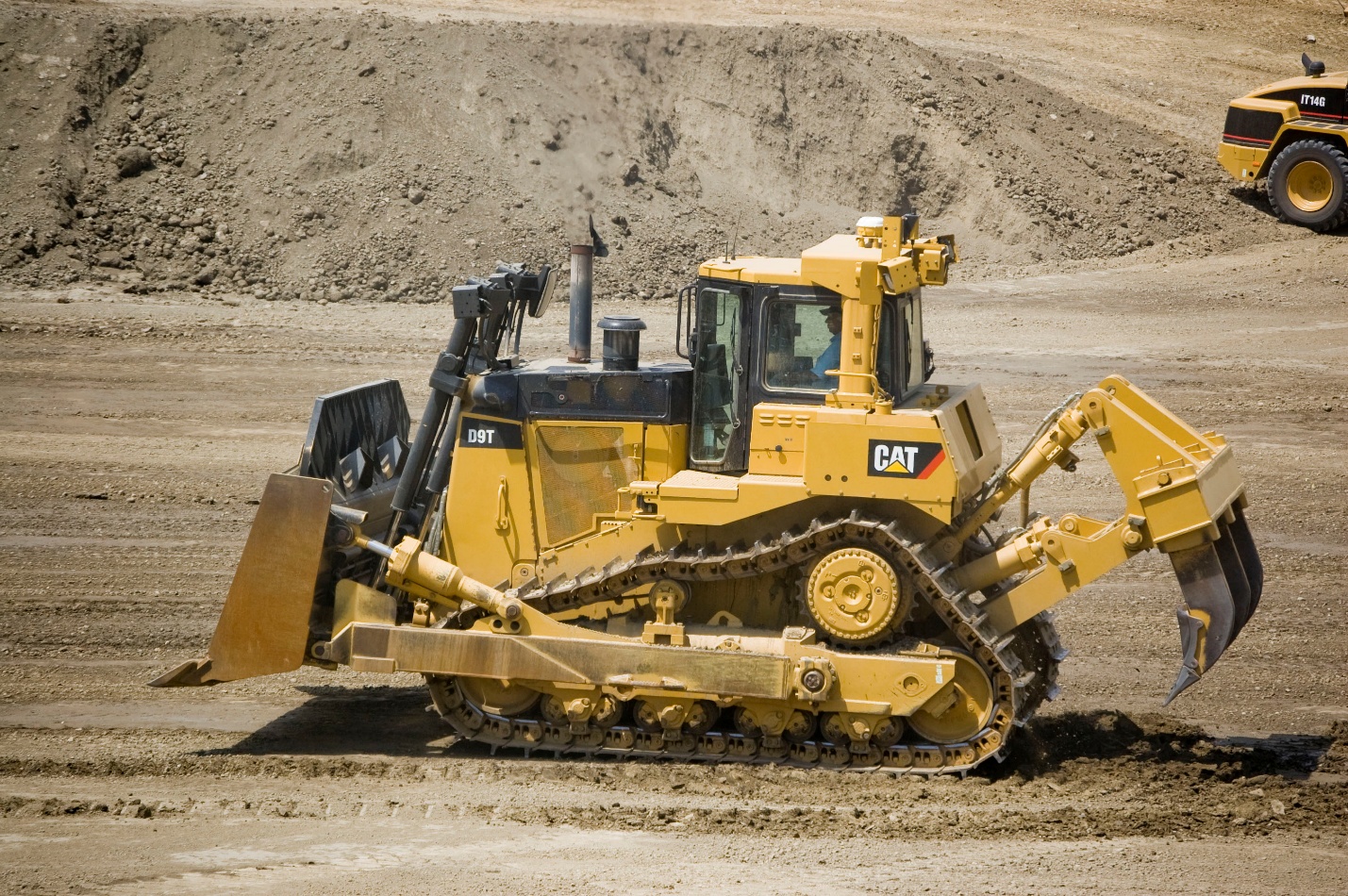
CAT D9T
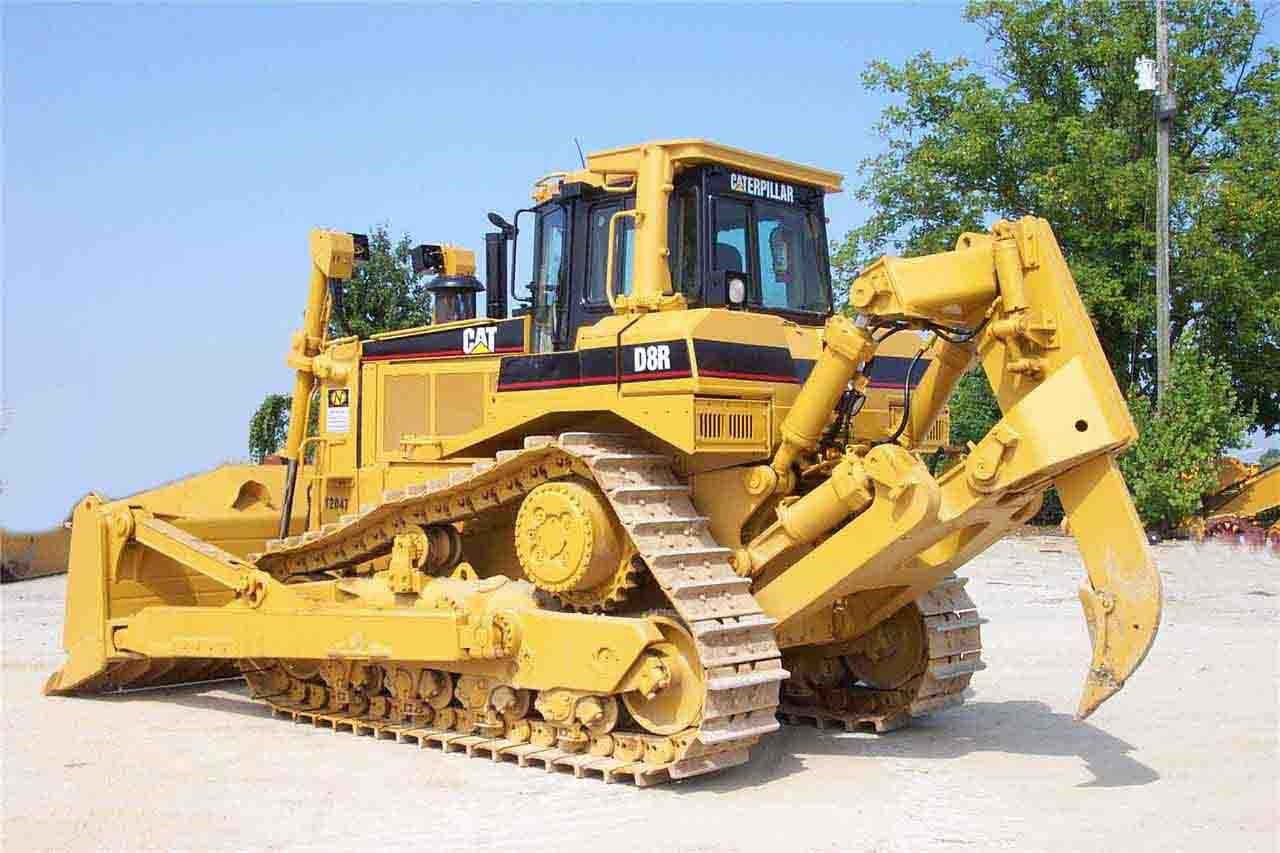
One big claw on this one, very nice.
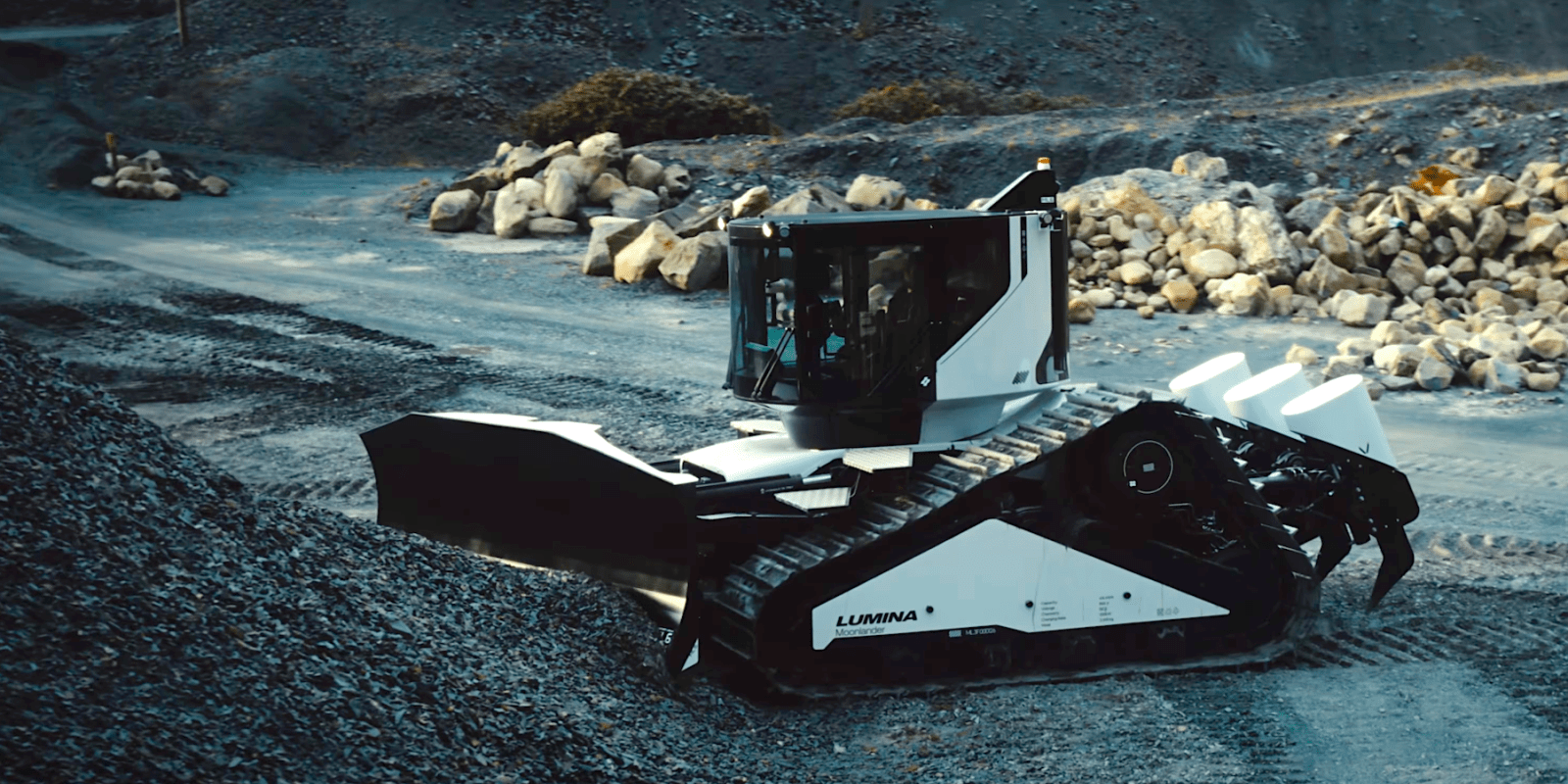
Lumina Moonlander
4. Street Sweeper
Technically not construction, I think this is likely to be my most contentious ranking, and there is a good argument it should be behind Bulldozer.. but it is absolutely worthy of its spot. These guys come in all types of looks and styles, always reliably fantastic looking. I always feel like these things are something like a snow leopard, the giant squid of construction equipment: I know they exist because I've seen photos and I had one as a hotwheel toy, but I've only ever seen a few in the wild. I don't think there are many in the Texas fleet. Ever since moving to Seattle, I've seen one pass through Capitol Hill early in the mornings sometimes. I am a huge fan of their dynamism, and how they are a machine devoted to making my life immediately aesthetically better.
The first mechanical street sweeper was patented by Charles Brooks in 1896, but modern regenerative air sweepers didn't emerge until the 1970s. The Elgin Pelican and Schwarze M6 Avalanche mechanically dominate American streets. The regen air Monsoon is a workhorse with 8 cubic yards of capacity, which means less dumping and more sweeping.
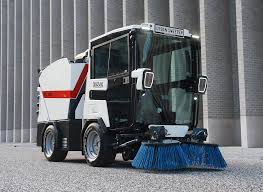
Awesome looking urban sweeper
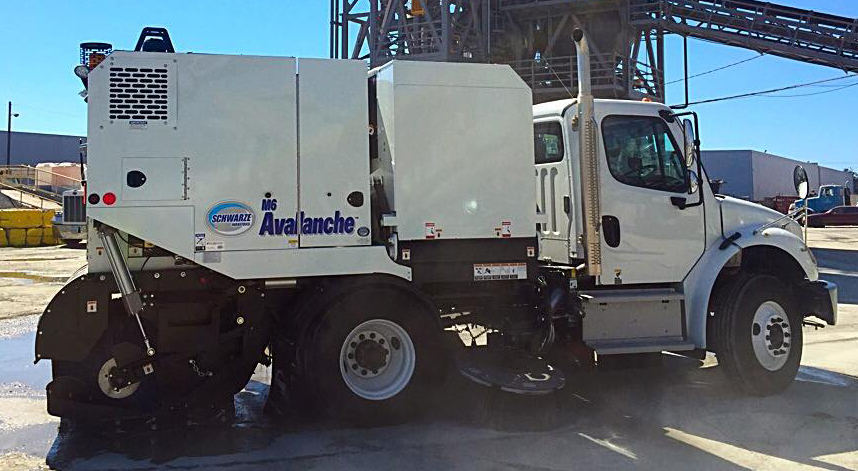
M6 Avalanche is a mechanical sweeper, good for high volume and grit like sand. Often confused with the A6 Avalanche, which is a regen sweeper for lighter stuff, like leaves.
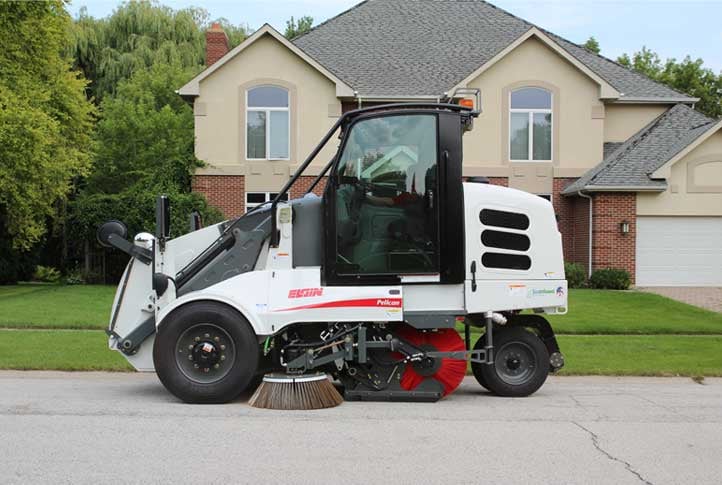
Pelican mechanical sweeper on a very clean street.
Honorable mentions
Backhoe
My favorite construction hot wheel, by far. If this rolls up on a site, the project immediately graduates from something you could have done with a shovel and some determination to a serious matter of digging. The dual bucket end is just a masterpiece, you can just tell this machine means business. On both ends. Add yourself a rotating cab, like Mecalac did this year, and you've got yourself an excavator. The support struts are also such a nice touch.
The backhoe loader was essentially invented by J.C. Bamford (JCB) in 1953 when they mounted a backhoe on a tractor. CAT's 420F2 and JCB's 4CX remain the benchmarks, though XCMG's XT870BR has captured significant market share in developing countries with 30% lower operating costs but I am less a fan of its stubby, Temu look.
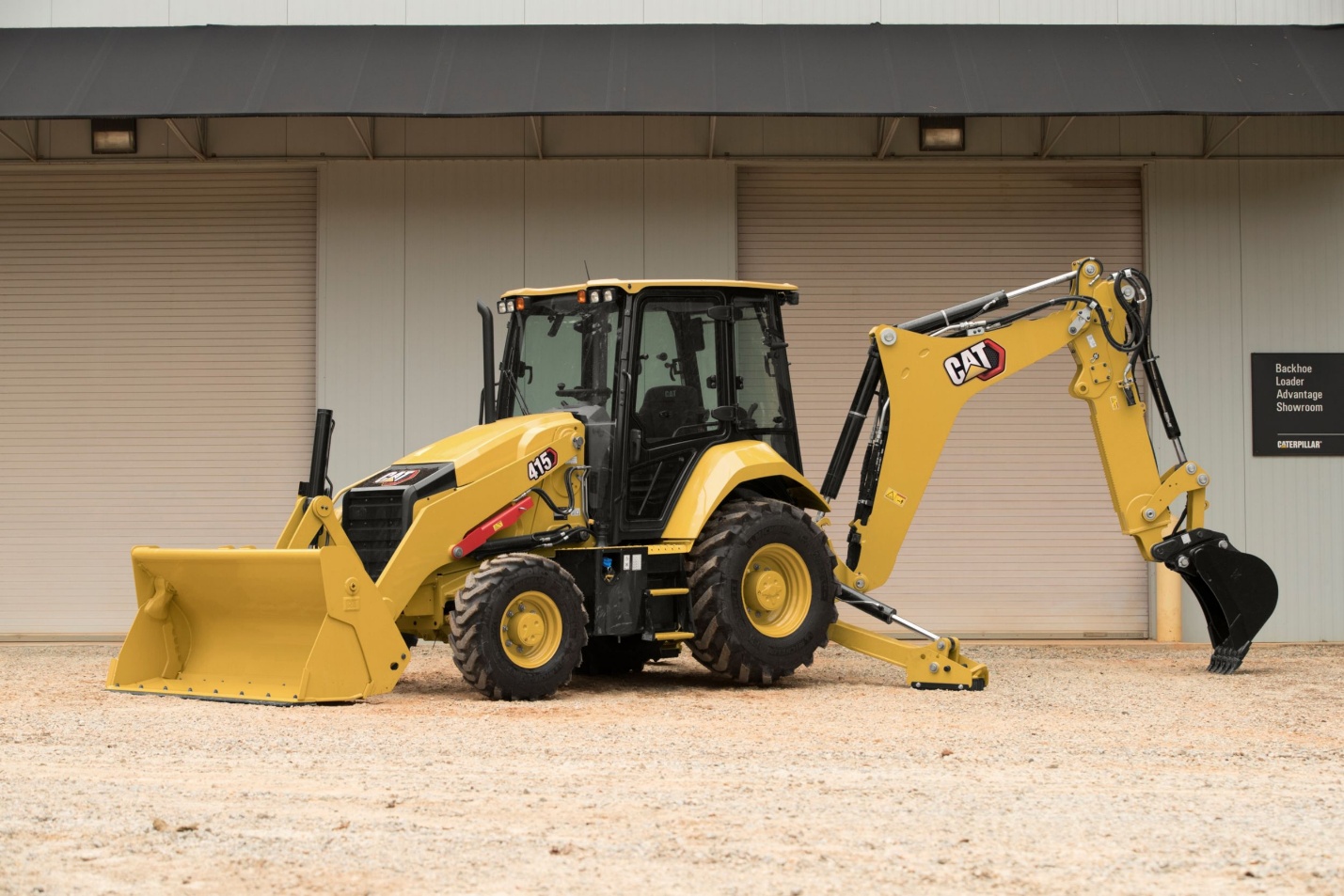
CAT 415
Skid Steer
These machines have been produced to perfection. The everyman's piece of machinery. Your uncle or his friend personally own one of these, and it is very useful indeed. It's got a roll cage, and multiple attachments. I got the chance to drive my friend's skid steer around his field, ripping out trees in preparation for a bonfire. It was life-changing, like wearing an iron man suit; the thing was instantly responsive and instantly powerful.
Invented by the Keller brothers in 1957 (later sold to Bobcat), the skid steer revolutionized small-scale construction. The S510 from Bobcat is still going strong, financing 10,000 in the US this year. CAT's 299D3 can lift 3,700 pounds at 50% tipping load. Sany's SSL80-5 undercuts it substantially while maintaining 80% of the performance.
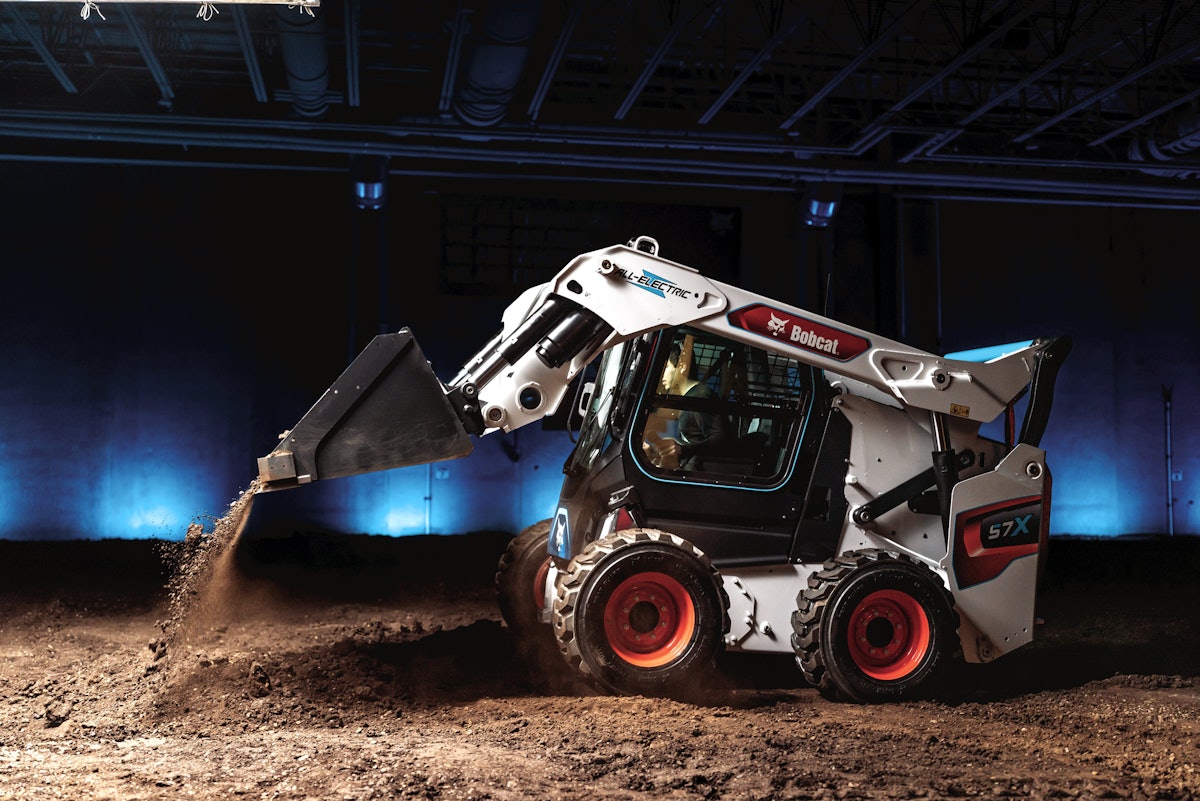
Bobcat skid steer's are ubiquitous where I am from.
Big Carl
Crane of the immobile variety, the largest ever on record. The SGC-250 built by Sarens in 2008 can lift 5,000 tons, which is equivalent to more than 5 fully loaded Boeing 747s. It was used to construct the Hinkley Point C nuclear reactor in the UK.
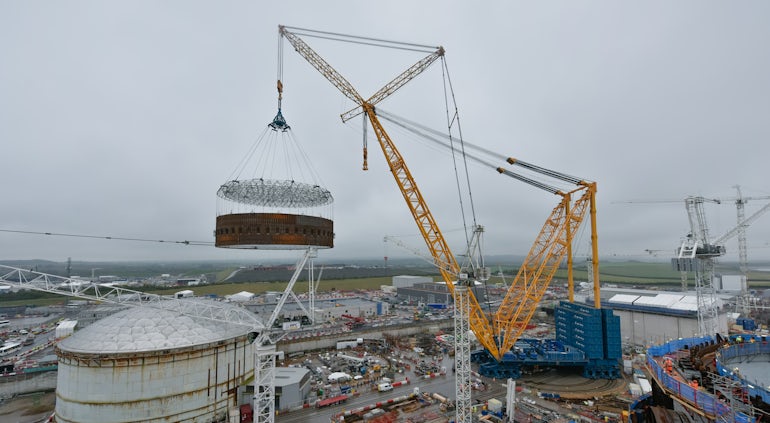
Big Carl seen here putting in the hours
3. Trencher
If you have a giant saw larger than several people, you aren't going to be left out of the top three of any list. Trenchers come in a fantastic variety of shapes and saws. Such a brutalist, primitive way of moving dirt out of the ground—it's like the first thing that would come to mind if you're graduating from cutting wood to earth. It just works.
The first commercial trencher was built by the Barber-Greene Company in 1949, but nobody cares about that. Everyone cared about the Ditch Witch from Charlie and Ed Malzahn, also in 1949. The Vermeer T1255III Commander can trench 18 feet deep and 20 inches wide, with a chain speed of 230 feet per minute. XCMG's XTR6/320 challenges Vermeer in raw specs but (familiar story) hasn't matched their reputation for reliability in rocky soil conditions.
Interestingly, the retail market for used Trenchers seems very busy.
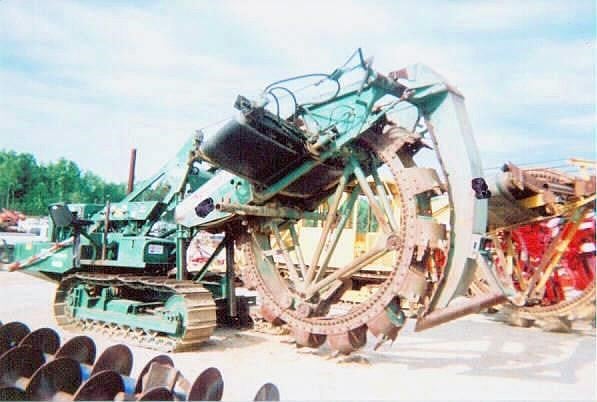
BARBER-GREENE TA57, call for price
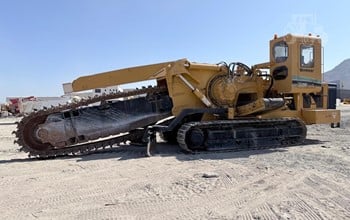
VERMEER T1255 COMMANDER III For Sale at Tractor house
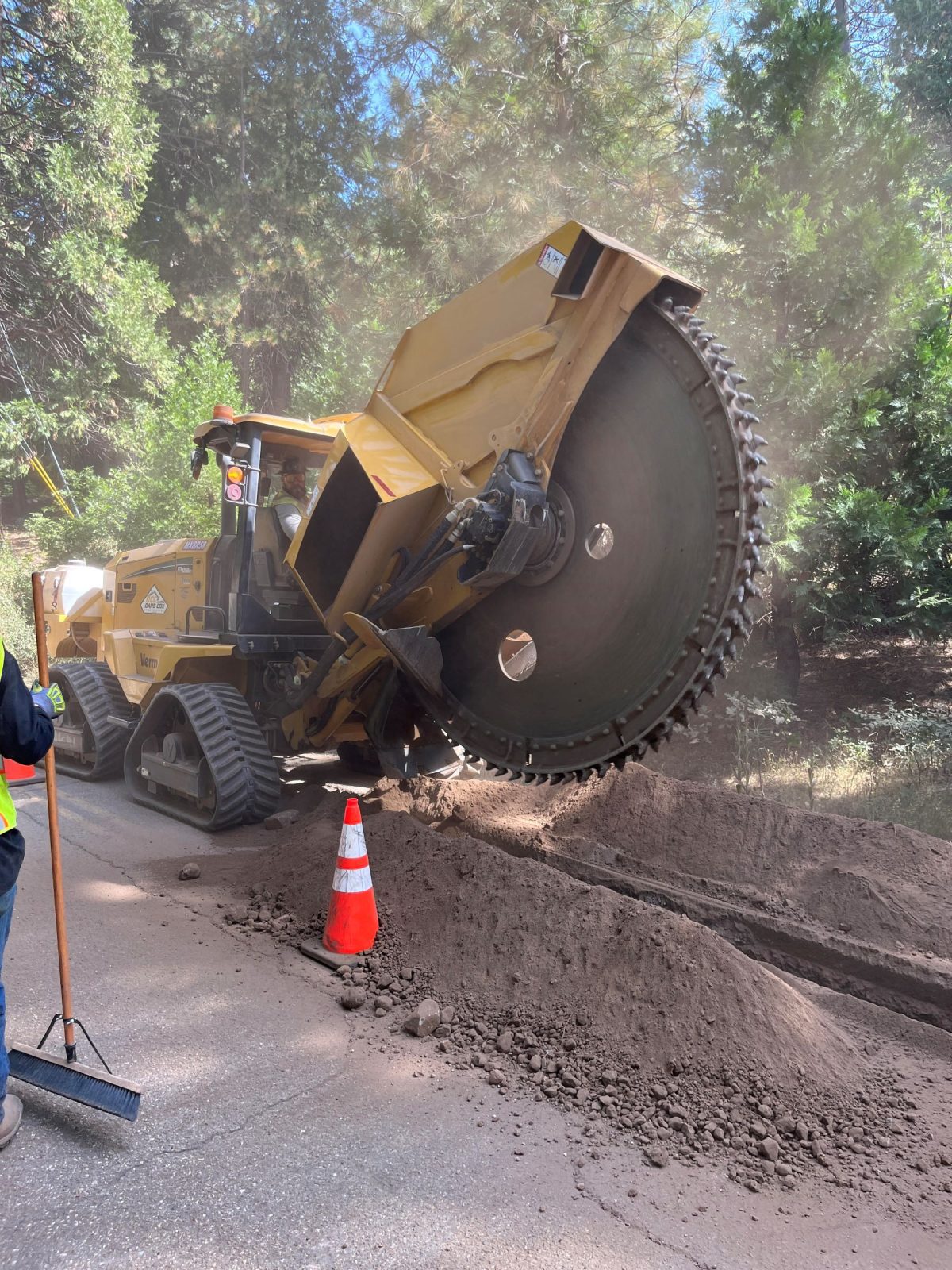
Rockwheel at work
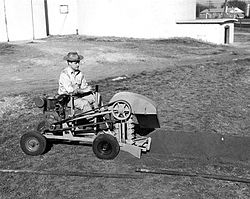
Ditch Witch
2. Dump Truck
The scale of these trucks cannot be understated. It's practically comical, they're like normal cars for giants. The Caterpillar 797F, introduced in 2008 as the culmination of CAT's ultra-class mining truck lineage, with 4,000 horsepower from a 20-cylindar 4 stroke diesel engine and ability to move 400 short tons per load. That's roughly 250 Honda Civics, or about 30-40 mobile homes, in a single trip. They use 12 hydraulic cylinders (each 1.5 meters in diameter) just for lifting the bed.
The BelAZ 75710 is the largest in the world, about 70 feet by 30 feet, capable of carrying about 450 tons at a speed of 25 mph. It uses a set of diesel engines to power 4 massive 1200 kW electric motors on the axles for power. Increasingly, dump trucks are going with electric drivetrains and batteries as the torque control and regenerative braking benefits on efficiency are massive. The 797F stands out as a purely mechanical drivetrain on a large dumper.
The first off-highway dump truck was the Euclid 1Z from 1934, with a modest 15-ton capacity. Today, China's largest manufacturer, XCMG, produces the XDE440, an electric-drive mining truck that matches the 797F's capacity while claiming 15% better fuel efficiency. Sany's SAC4000 also competes in this class, though Western mines remain hesitant to adopt them.
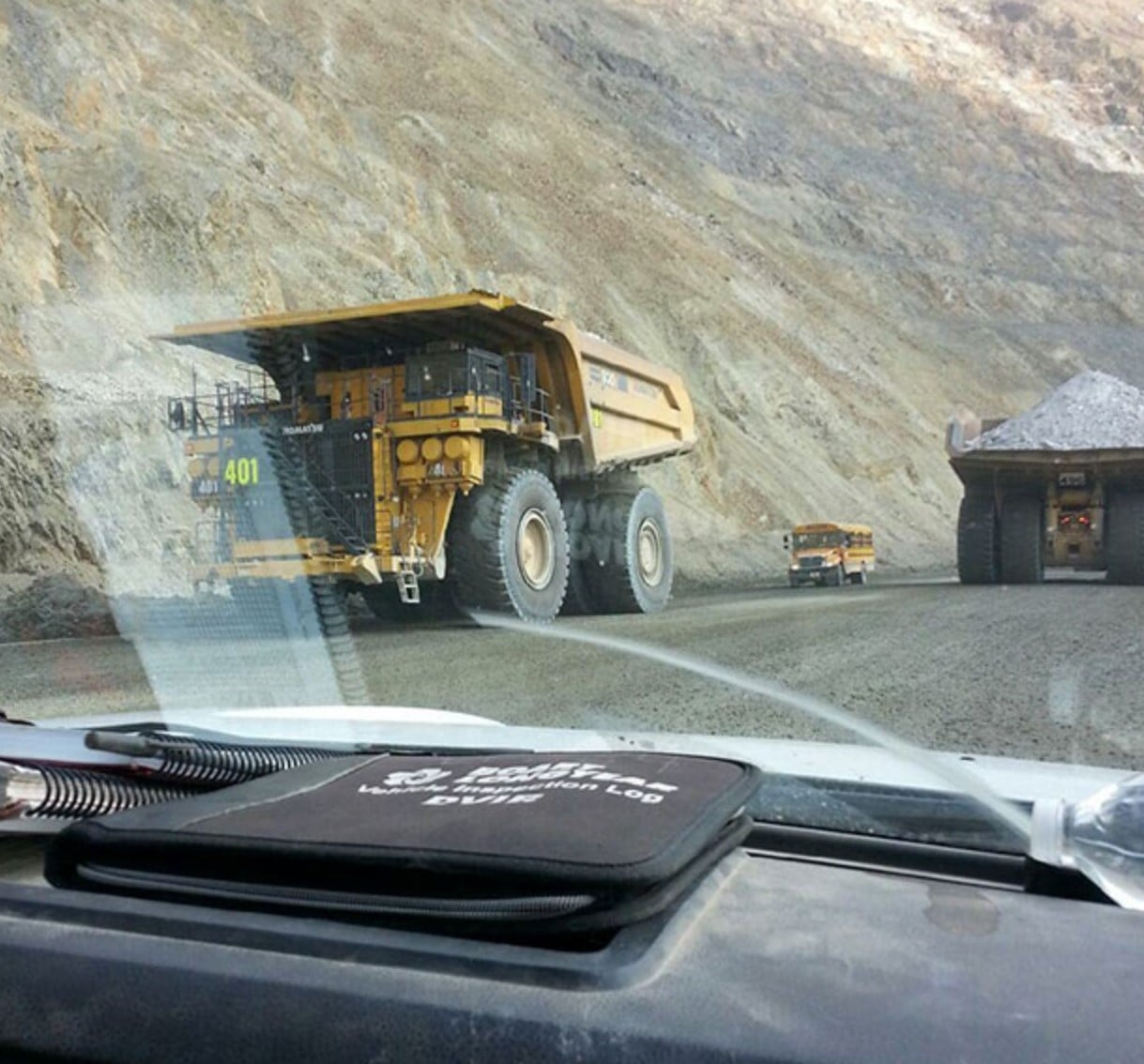
The Caterpillar 797F, bus for scale
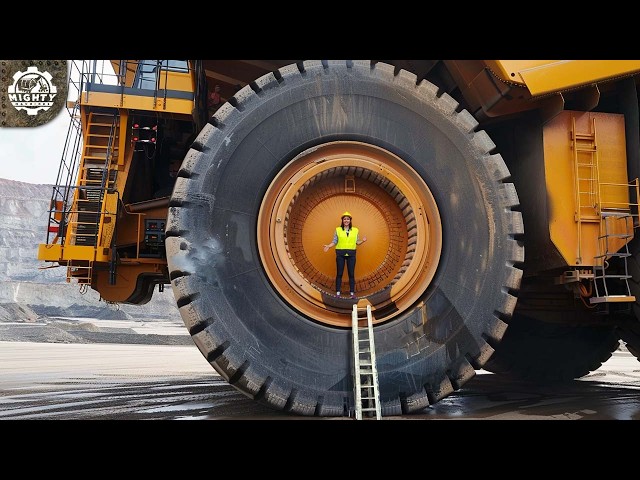
I think this is a 797, and a particularly small human
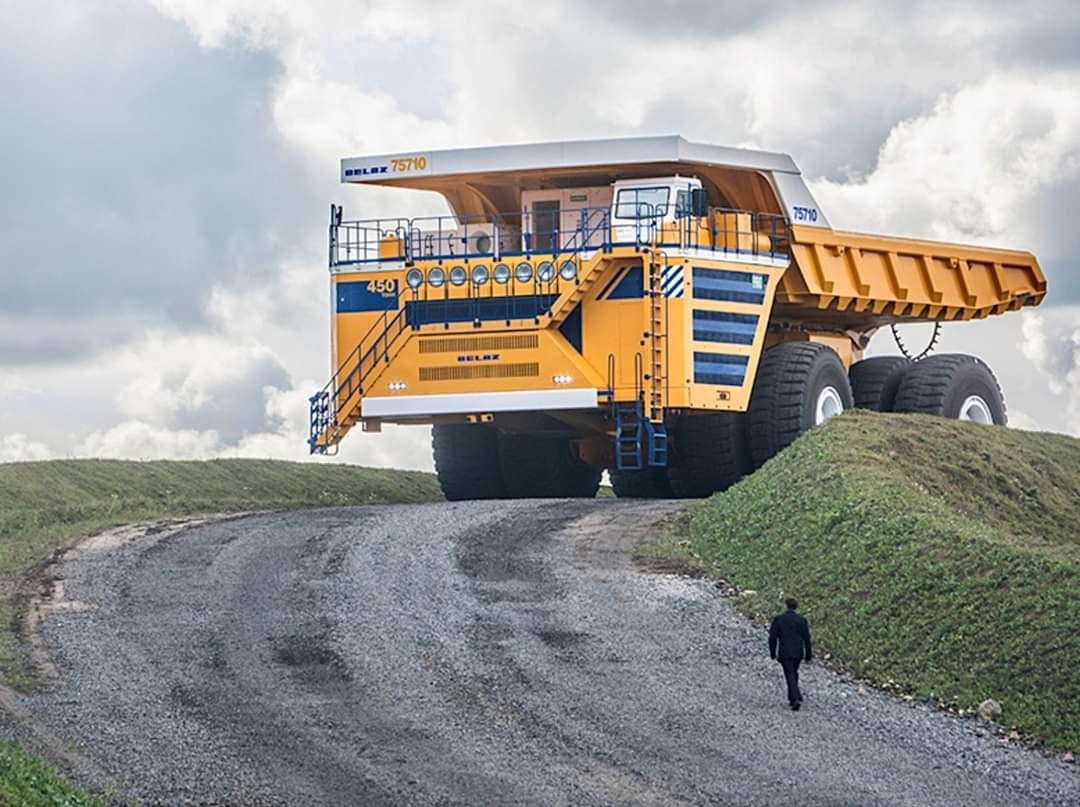
BelAZ 75710, the largest dump truck in the world
1. Excavator
This machine is an absolute masterpiece. A ubiquity on construction sites, big and small, across the entire planet: the top manufacturers alone sell 70,000+ units per year. This machine has moved earth to bring about modern miracles, it has forged empires, and it dug the pool down the street. The treaded variety remains supreme, but it drives around on tracks and tires too. The thing can be outfitted with practically every type of attachment you can dream up, if for some reason you tire of excavating—a claw, a drill, a bigger claw (for wood), a saw, the possibilities are remarkable. It's a machine that knows how to show off too. The jumpiness of the hydraulics is truly mesmerizing. The control cabin asymmetry is reminiscent of the millennium falcon, which is the de-facto coolest spaceship. It is a spectacle that embodies construction in its purest form.
The hydraulic excavator was invented by British firm Whitaker in 1882, but it was French company SICAM's 1951 Poclain that pioneered the modern rotating hydraulic design. It created the 360 revolution excavator in 1961, 10 years later. Today's CAT 374F in the large excavator class weighs 81 tons and can swing a 6.3 cubic yard bucket with at high operating speeds, with hydraulic systems running at 5,000 PSI, about 170 times atmospheric pressure.
Sany's SY500H directly competes with CAT's 350-class excavators and has become the best-selling excavator in China, with over 10,000 units sold annually. XCMG's XE4000E challenges the ultra-large excavator market, though Komatsu's PC4000 (900,000 pounds, 44,000-pound bucket capacity) remains the choice for Australian and American mega-mining operations. Not to be outdone, the bucket on a Liebherr R 9800 mining excavator can hold a school bus.
Chinese manufacturers have closed the technology gap remarkably quickly—Sany's excavators now use Kawasaki hydraulic pumps (the same as CAT), and their reliability has improved dramatically since the 2000s. For contractors working on cost-sensitive projects, the 40% price difference is increasingly difficult to justify when performance metrics are within 10-15% of Western brands.
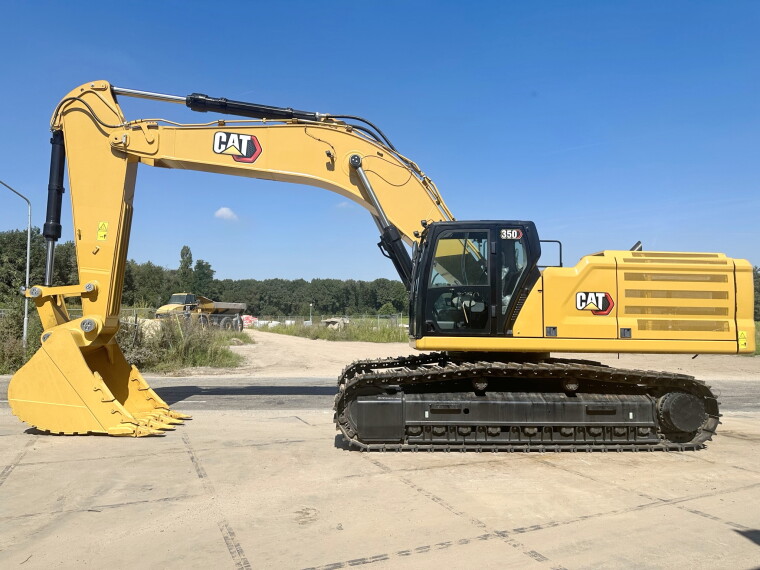
CAT 350 – it's a classic
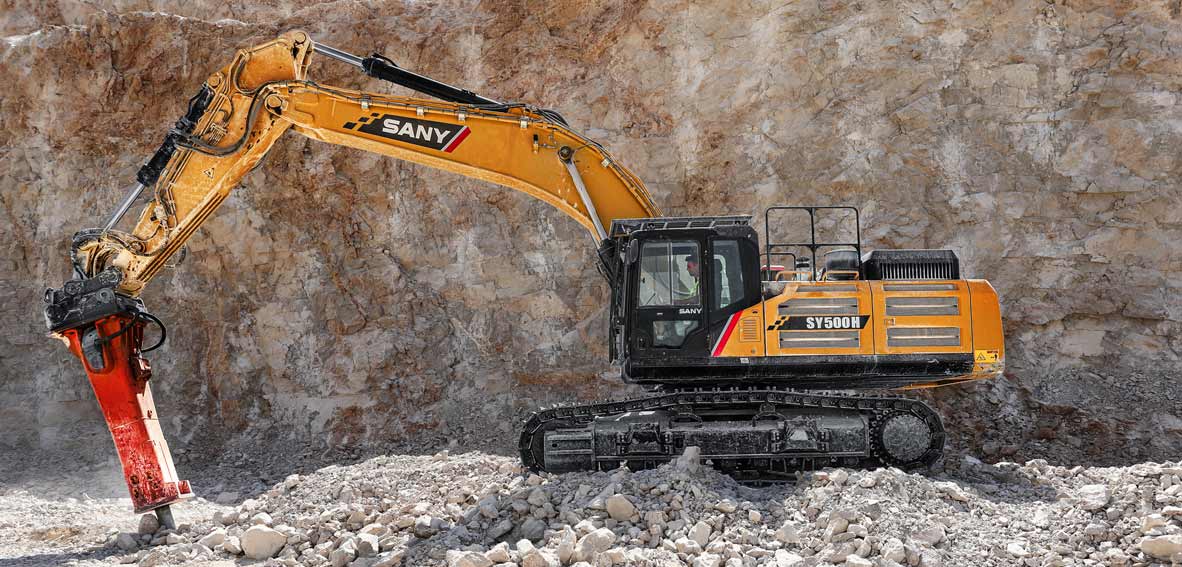
SANY SY500H with a hydraulic hammer attached
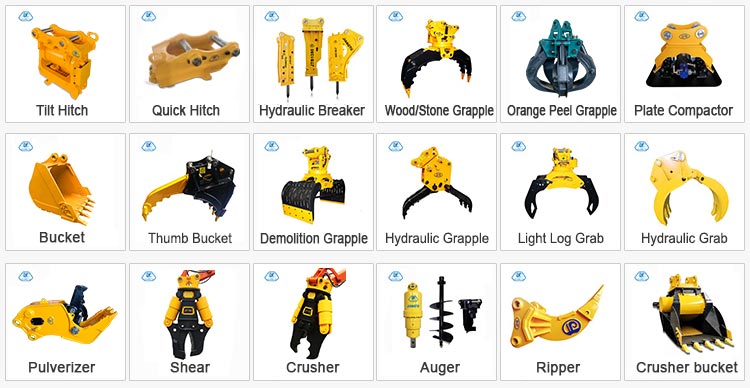
Excavator attachment types
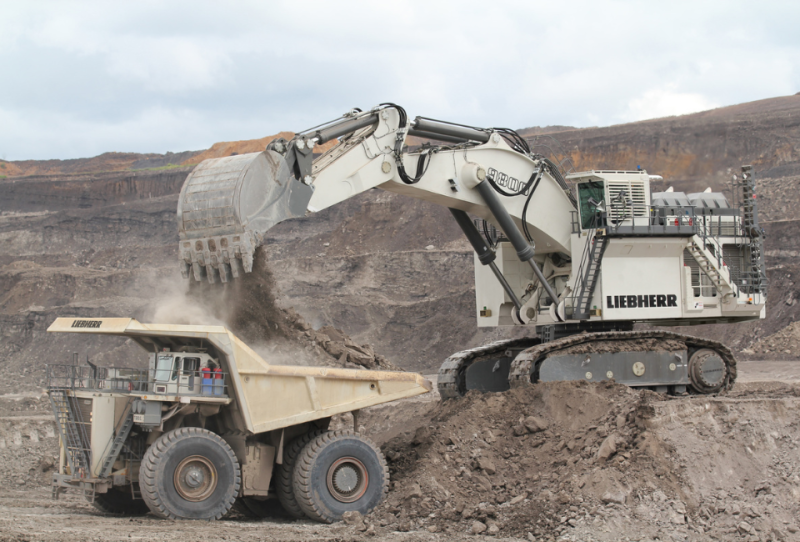
Liebherr R 9800, remember how big the dump trucks were?
QED
As I mentioned, I am qualified only by passion and years of driving through slow construction zones on I-35. If you have any disputes with this list, send me an email; I am happy to discuss, as you are more than likely to be incorrect. In all seriousness, if you know of any cool construction machinery and would like to share facts and/or photos, please email me or reach out.
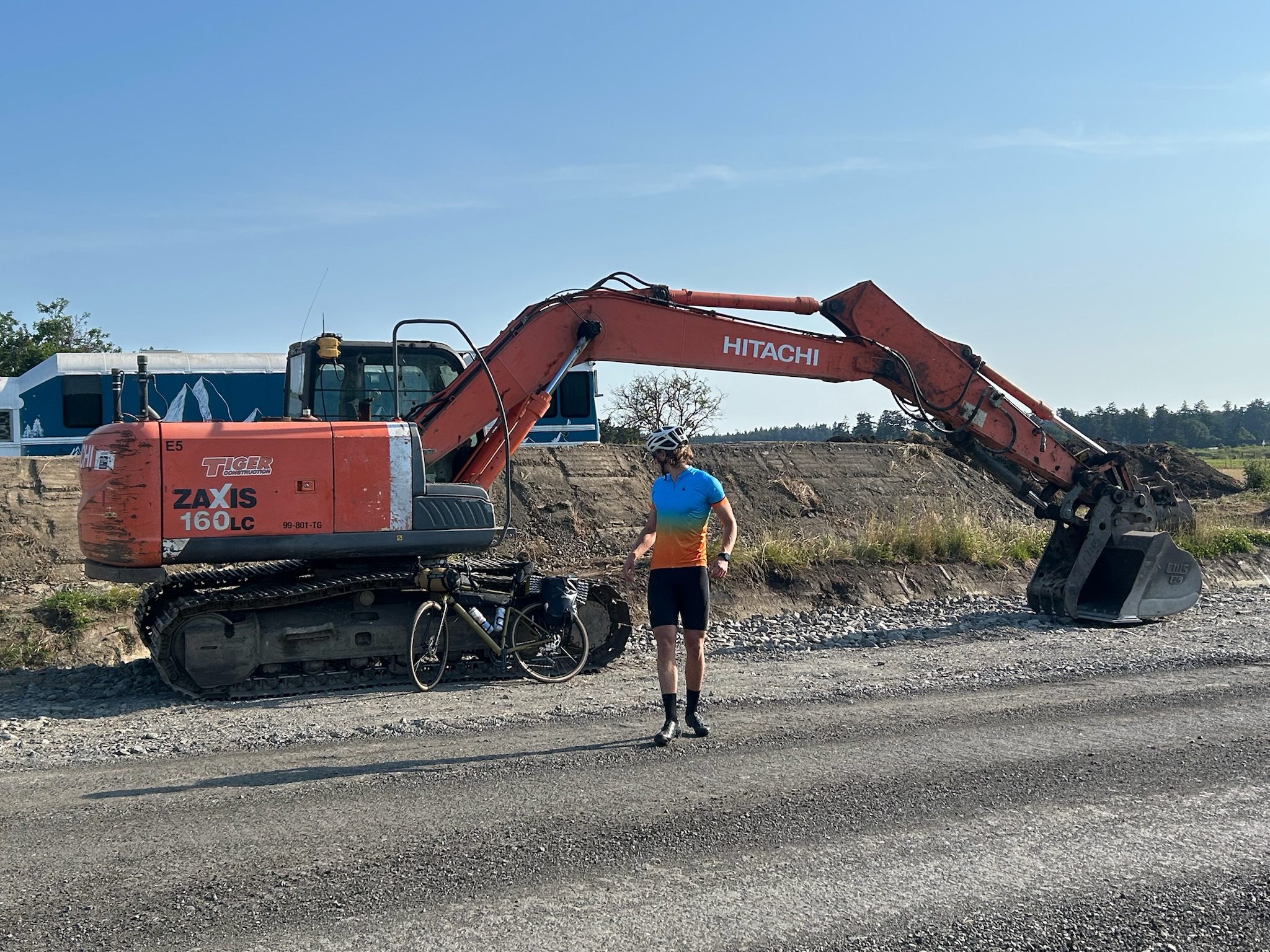
Excavator and me
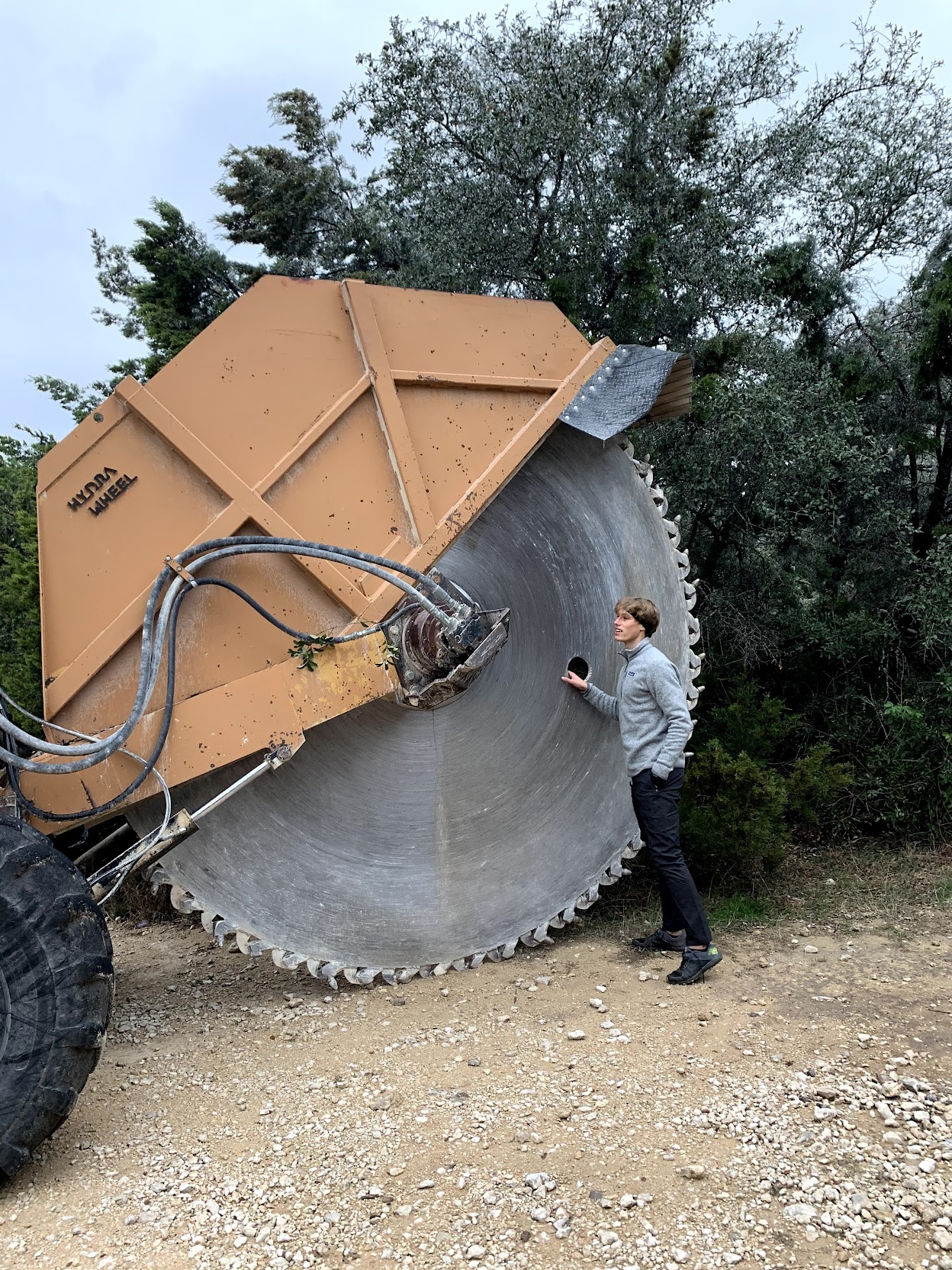
Trencher and me